
On Happiness in Finland
Notes on living in the world's "happiest" country

The day has come again.
Finland has, for the 9th year in a row, been named “happiest country in the world”.
I’ll always remember what my father-in-law said to me when we first discussed this event (back in 2021 when Finland had been so-named a mere 4 years in a row). He told me:
“If we’re happiest, the rest of you must really be miserable.”
This is the sentiment you’ll see all over Finnish social media today, which pretty much looks something like…
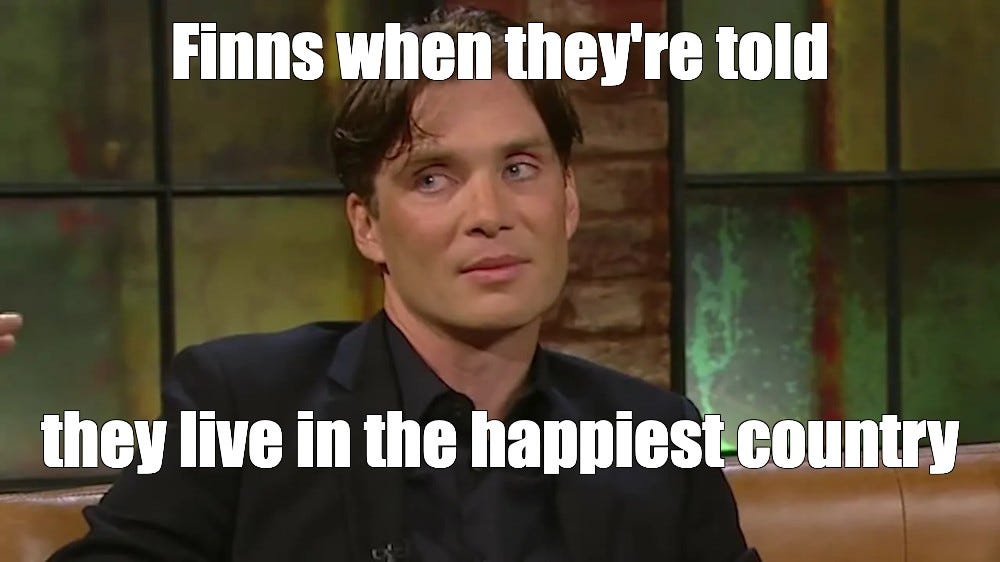
This is all typically Finnish though. Unlike other nations in the world for whom being the “greatest” is a point of existential necessity, I can’t think of anything less Finnish (or expected) than being lauded as number 1 at anything.
(Apart from when it comes to ice hockey, of course, then the Finns I know would gladly accept such a title.)
And, besides, life in Finland isn’t all smiles and sauna.
Take being a pedestrian here, an experience I liken to playing an extreme sport. I haven’t seen this written down in any official highway code or anything, but it is my experience at least that pedestrians in Finland only get right of way once they’ve successfully been stretchered into an ambulance.
I’m allowing myself this gentle roast of the country I love because, as a typical Brit committed to a life of misery, grumpiness and sarcasm, I feel I’m enough of an outsider to ascertain how the Finns might actually be doing something right when it comes to the life well-lived.
I’m not the first person to try their hand at winning website views by discussing the phenomenon of Finnish happiness. Along with Danish Hygge and Swedish Fika such reportage is its own cottage industry. But among the many things I’ve read explaining “Finnish happiness”, one idea stands out I have a problem with: that Finns benefit from low expectations, and that this “lower bar” to happiness sees them rank higher than those who aspire to more and greater things.
This does the “Finnish way” that I’ve come to understand a serious disservice.
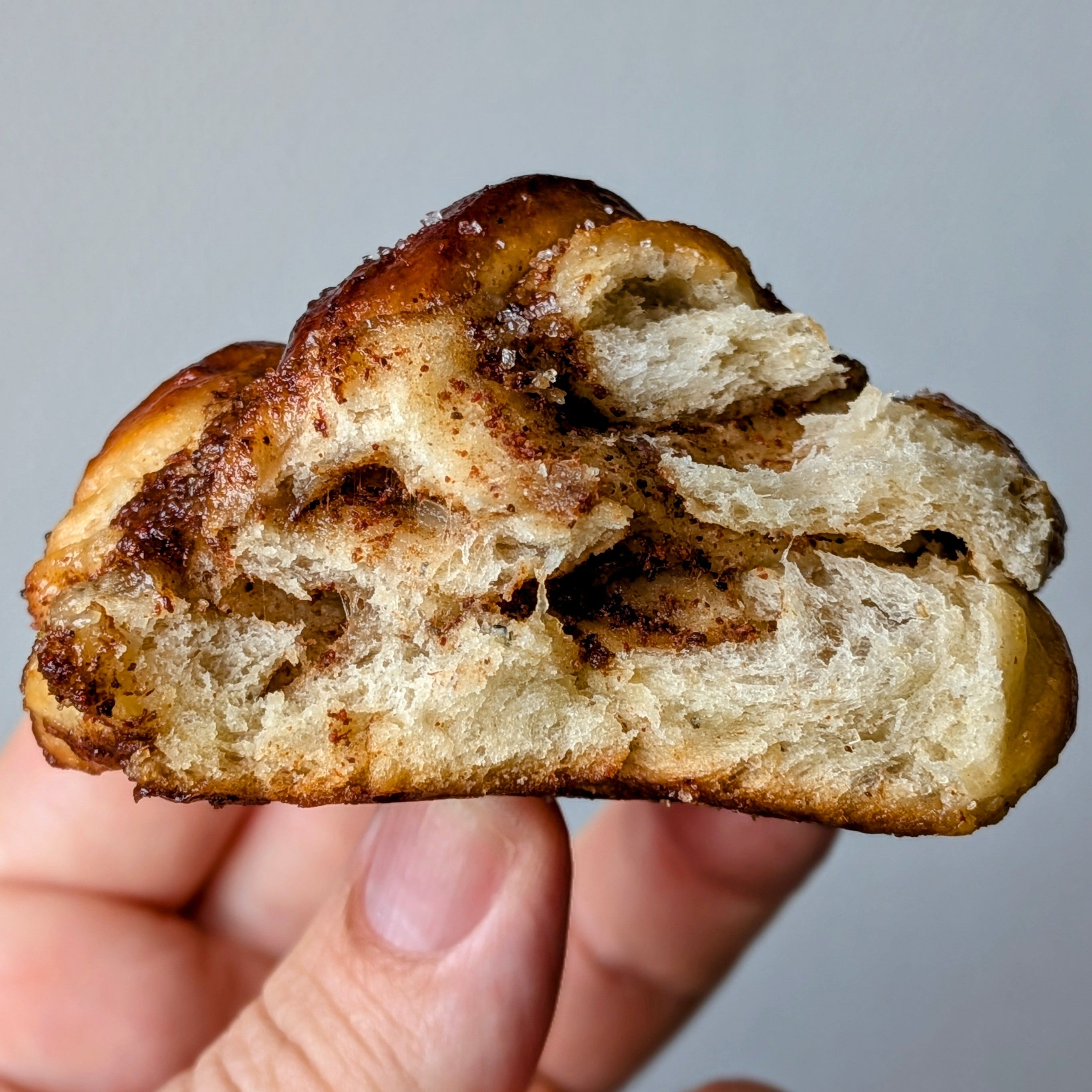
Rather, I think these “low expectations” are simply an appreciation of the small, modest joys that people here do such a good job of filling their daily lives with.
Take the good old Finnish sauna, for example.
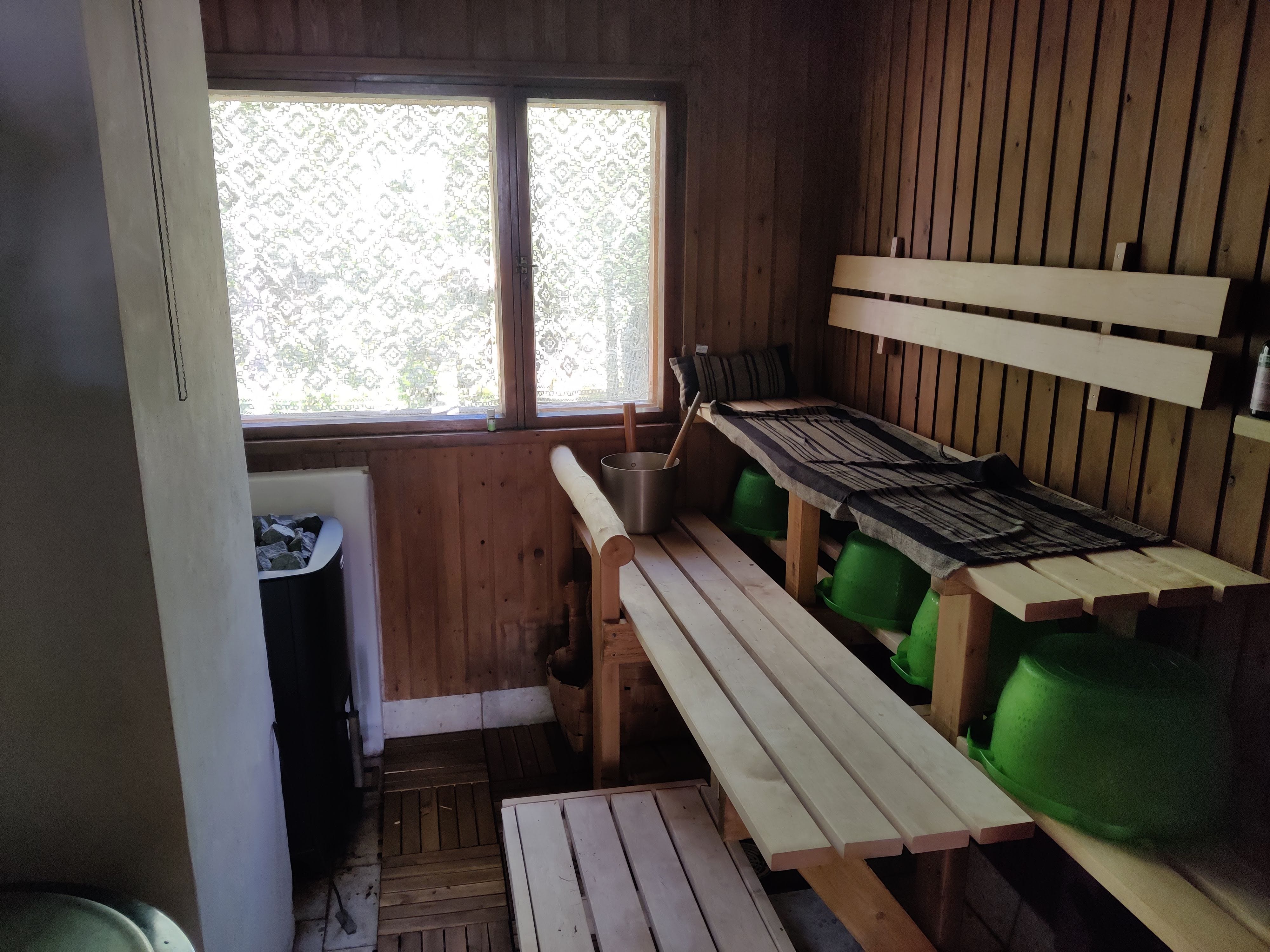
Most Fridays for as long as my family and I have lived in our current apartment, we’ve booked a slot in the public sauna in our building. Before us every time, the same old man enjoys the sauna alone. Sometimes he wears a small towel covering his bits and pieces on his way to get changed after his slot.
Sometimes he doesn’t.
But what he always emerges with is an empty can of local Aura lager. Without fail. What’s more, the smell of freshly baked bread that fills the hallway always reveals that, however much of the beer he might’ve drunk, just as much was poured on the searing sauna stones as well.
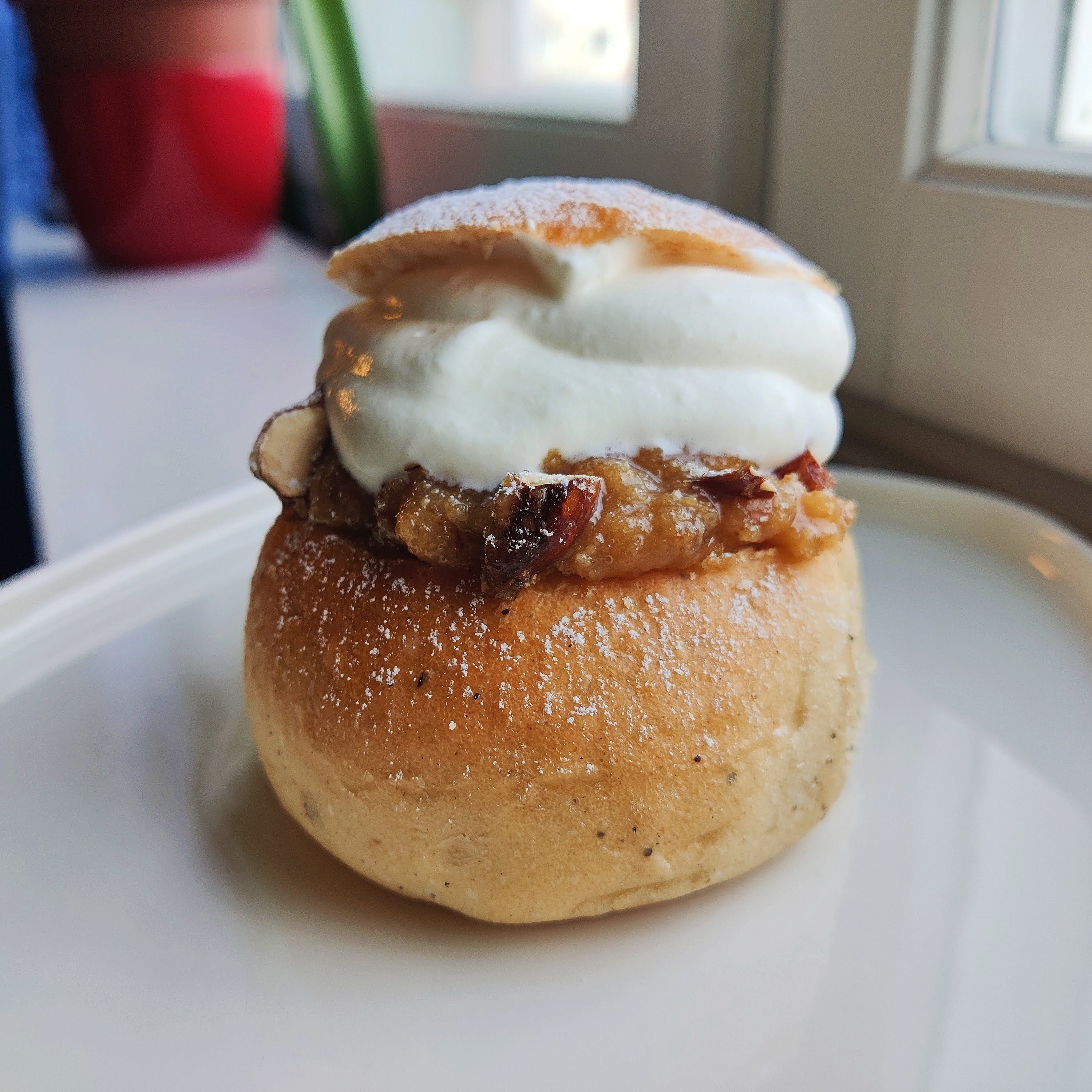
The longer I live here, the more I see these small, routine pleasures punctuate everyday life. Some such pleasures are built into the collective experience: the endless sequence of buns that fill supermarket shelves when a specific day of celebration arrives. The stunning Runeberg Torte for example on February 5, or the greatest of them all IMHO: the Shrove Tuesday laskiaispulla. I see this in how celebrated the arrivals of strawberries and peas are come summer, and the way candles start illuminating window ledges the moment the first chills of winter hit. A reflex action almost.
Life is hard, after all. There’s no cure for that. Whether it’s my old neighbour with his single sauna beer on a Friday night, or the Saturday night cheese board I know my parents in law never deny themselves, these modest joys, so often shared with those we love, add up to something that can always be relied on and looked forward to. Maybe this is a “low bar”, but I think such acts help remind us of how beautiful life can really be.
Being an immigrant is fascinating. It’s an experience I absolutely recommend. And the most fascinating thing about being one are the moments you first realise how an old and familiar, habitual way of looking at the world isn’t shared by the new people around you.
The sentences “it will be alright in the end” or “shut up, Wil, you neurotic tit, I’m sure it will turn out fine” seem harmless enough. I grew up hearing such things all the time. They feel good, hopeful even. But after 6 years in Finland, they are sentences I just don’t hear anymore.
As someone so accustomed to this kind of reassurance, this has taken a lot of getting used to. And the alternative may be to assume that the Finns in my life are a negative bunch. A bit brutal, even. But what I’ve come to understand is that this aversion to positive thinking isn’t negativity, it’s a rejection of results-based thinking that prioritises tomorrow over what we can actively do today.
This brings me to what I think is the most important aspect of “happiness” in my Finnish life: honesty.
The honesty I’m talking about is one that refuses to promise good things will happen to you. It is an honesty that accepts the possibility of change, of sadness even. But it is an honesty that leaves you better able to face that change once it arrives. And it is an honesty that refuses to promise harm will come your way either. An honesty that encourages you to face the present as the only thing that can be faced. The only thing we have any power over.
I used to think that being strong meant thinking that happiness was a choice, that I needed to prove agency over my emotions, anxiety and fears. Life in Finland hasn’t proved this idea wrong, but it has shifted the way I understand it.
My favourite Finnish idiom roughly translates as:
“Happiness doesn’t come from searching, only by living.”
What I like most about this is the idea that happiness isn’t an endpoint we actively reach but something continually worked towards. It brings me back to that idea of low expectations. Instead of “low” or “small” or “unambitious” I prefer the word “early”. And it’s these early foundations, whether that’s a favourite bun, a sauna with those you love, or a day lived untarnished by worries of tomorrow, on which happiness is built.
Thanks for reading today.
If you want to support this newsletter, read all my recipes (including this new ebook of my most popular buns) and essays, please become a paid subscriber. There’s lots coming up over the next few months including more chapters of my serialised cookbook The Prep List.
And if you want to treat yourself to a fun, accessible and hopefully very entertaining cooking class, please check this out. I run online classes that are great for beginners and experienced cooks looking to learn something new.
Thanks again,
Wil
The Cillian photo is the perfect accompaniment to your piece, Wil. Also, Congratulations! 😆